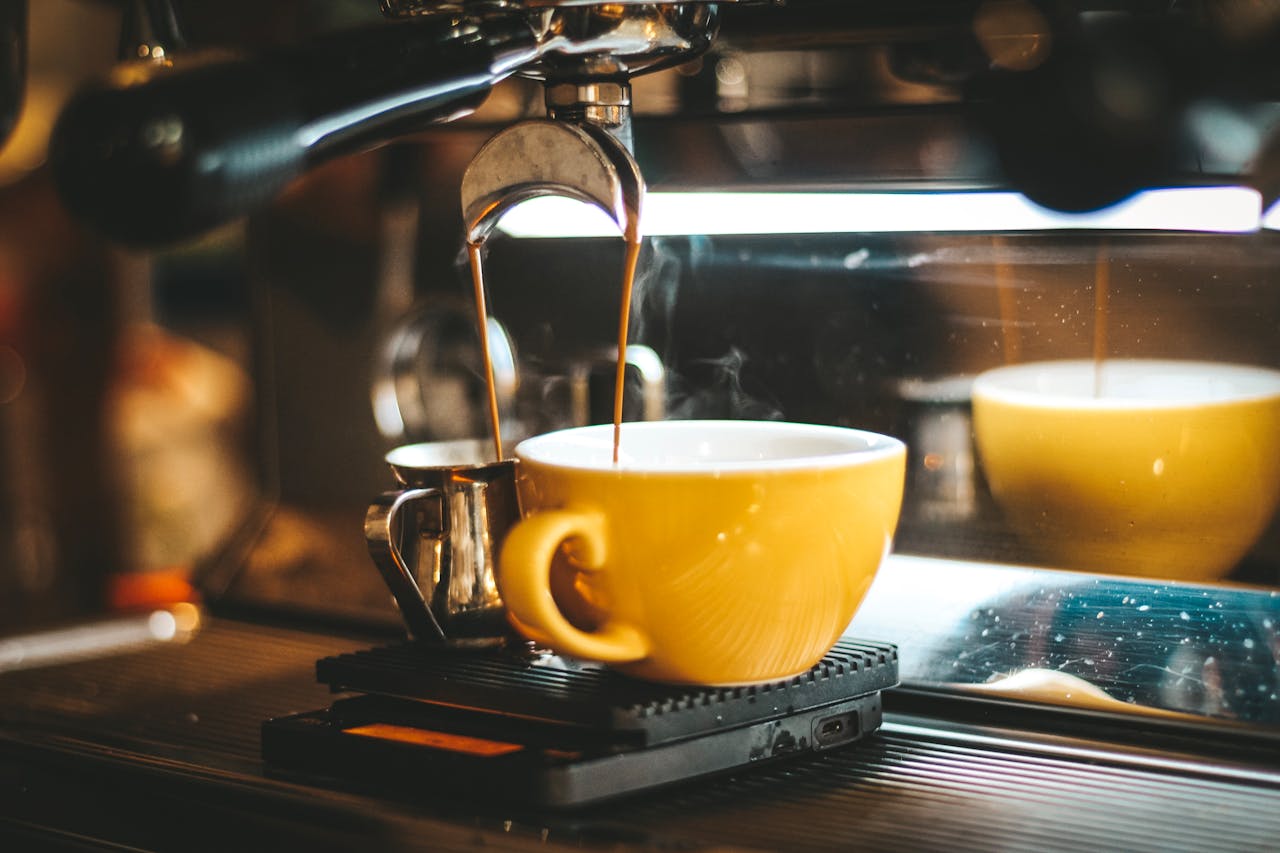
Pour over coffee has become one of the most respected brewing methods in specialty coffee—and for good reason. It offers clarity, control, and a direct connection between the brewer and the cup. In 2026, pour over coffee brewing remains the preferred method for coffee drinkers who want precision, repeatability, and the ability to highlight origin-specific flavors.
This guide is written for beginners and experienced brewers alike. It explains the equipment, technique, and common pitfalls so you can brew consistently excellent pour over coffee at home.
What Is Pour Over Brewing?
Pour over brewing is a manual coffee brewing method where hot water is poured evenly over ground coffee held in a filter. Gravity draws the water through the grounds and filter, extracting flavor compounds before dripping into a vessel below.
Unlike automated machines, pour over brewing puts you in full control of:
- Water flow rate
- Brewing time
- Extraction strength
This level of control is why pour over coffee brewing is widely used by cafés, professionals, and home enthusiasts.
Benefits of the Pour Over Method
1. Superior Flavor Clarity
Pour over highlights subtle tasting notes—floral, citrus, caramel—that can be muted in immersion methods.
2. Complete Control
You decide how fast to pour, how long to bloom, and when to stop extraction.
3. Consistency with Practice
Once dialed in, pour over produces highly repeatable results.
4. Simple, Low-Tech Setup
No electricity required, minimal moving parts, and easy cleanup.
For drinkers who value precision and nuance, pour over coffee brewing offers unmatched transparency in the cup.
Equipment Needed for Pour Over Coffee
High-quality equipment makes learning easier and results more consistent.
Essential Equipment
- Pour Over Dripper
- Hario (V60) – Known for precision and fast flow rate
- Chemex – Known for clean, bright brews using thicker filters
- Paper Filters
- Use brand-specific filters for best fit and flow
- Gooseneck Kettle
- Allows controlled, even pouring
- Burr Grinder
- Consistent grind size is essential
- Digital Scale
- Ensures accurate coffee-to-water ratios
- Timer
Both Hario and Chemex products typically offer 10% affiliate commissions and are well-aligned with specialty coffee audiences.
Grind Size Recommendations
Grind size is critical to extraction quality.
- Recommended grind: Medium-fine to medium
- Texture should resemble table salt or coarse sand
Too fine → over-extraction (bitterness)
Too coarse → under-extraction (sourness)
When dialing in pour over coffee brewing, adjust grind size before changing ratios or water temperature.
Water Temperature Guidelines
Ideal water temperature: 195–205°F (90–96°C)
- Below 195°F → weak, sour coffee
- Above 205°F → harsh, bitter flavors
If you do not have a thermometer:
- Bring water to a boil
- Let it rest for 30–45 seconds before pouring
Step-by-Step Pour Over Brewing Process (8 Steps)
Step 1: Heat Water
Heat filtered water to 195–205°F.
Step 2: Prepare Filter and Dripper
- Place filter in dripper
- Rinse thoroughly with hot water
- Discard rinse water
This removes paper taste and preheats equipment.
Step 3: Measure and Grind Coffee
- Use a 1:15 to 1:17 ratio (e.g., 20g coffee to 300–340g water)
- Grind fresh, just before brewing
Step 4: Add Coffee and Level Bed
Add grounds to the filter and gently shake to level the surface.
Step 5: Bloom (30–45 Seconds)
- Pour 2–3x the coffee weight in water
- Allow coffee to bloom
Blooming releases trapped CO₂ and improves extraction.
Step 6: First Main Pour
Slowly pour water in circular motions from the center outward.
Step 7: Second Pour (if needed)
Continue pouring until target weight is reached. Maintain steady flow.
Step 8: Drawdown and Finish
Allow water to fully drain. Total brew time should fall within guidelines below.
Mastering this sequence is the foundation of consistent pour over coffee brewing.
Brewing Time Guidelines
| Brew Size | Total Time |
| 250 ml | 2:30–3:00 |
| 300 ml | 2:45–3:30 |
| 500 ml | 3:30–4:30 |
If brew time is too fast → grind finer
If brew time is too slow → grind coarser
Common Pour Over Mistakes to Avoid
Uneven Pouring
Leads to channeling and uneven extraction.
Wrong Grind Size
Most pour over problems start with grind inconsistency.
Skipping the Bloom
Reduces sweetness and clarity.
Poor Water Quality
Use filtered water with moderate mineral content.
Avoiding these mistakes dramatically improves pour over coffee brewing results.
Tips for Best Pour Over Results
- Use fresh, specialty-grade coffee
- Weigh everything, every time
- Pour slowly and evenly
- Keep kettle spout close to grounds
- Take notes and adjust one variable at a time
Consistency matters more than perfection.
Comparison with Other Brewing Methods
Pour Over vs French Press
- Pour over: cleaner, brighter
- French press: heavier body, oils present
Pour Over vs Drip Machine
- Pour over: more control
- Drip machine: convenience
Pour Over vs Espresso
- Pour over: clarity and nuance
- Espresso: intensity and concentration
Each method has a place, but pour over coffee brewing excels at highlighting origin character.
Best Roasts for Pour Over Coffee
Pour over brewing works best with:
- Light to medium roasts
- High-quality single-origin coffees
Flavor profiles that shine:
- Ethiopian (floral, citrus)
- Colombian (balanced, sweet)
- Central American (chocolate, mild fruit)
Dark roasts often taste bitter and flat in pour over.
How to Dial In Your Pour Over
If coffee tastes:
- Sour: Grind finer or increase brew time
- Bitter: Grind coarser or reduce temperature
- Weak: Increase coffee dose
- Harsh: Lower water temperature slightly
Dialing in is a core skill in pour over coffee brewing.
Frequently Asked Questions
Is pour over better than drip coffee?
It offers more control and clarity, but requires attention.
Do I need expensive equipment?
No—but consistency improves with quality tools.
Which is better: Hario or Chemex?
Hario offers speed and control; Chemex offers clarity and body reduction.
Can I brew pour over without a scale?
Yes, but accuracy and consistency suffer.
What ratio should beginners start with?
1:16 (coffee to water) is a reliable starting point.
Conclusion
Pour over coffee is not about complexity—it is about intention. With the right equipment, proper grind size, and careful pouring, pour over coffee brewing delivers clarity, sweetness, and balance that few other methods can match.
In 2026, tools from trusted brands like Hario and Chemex make it easier than ever to brew café-quality coffee at home. By following a structured process and making small adjustments over time, anyone can master pour over brewing and enjoy consistently excellent coffee—one cup at a time.