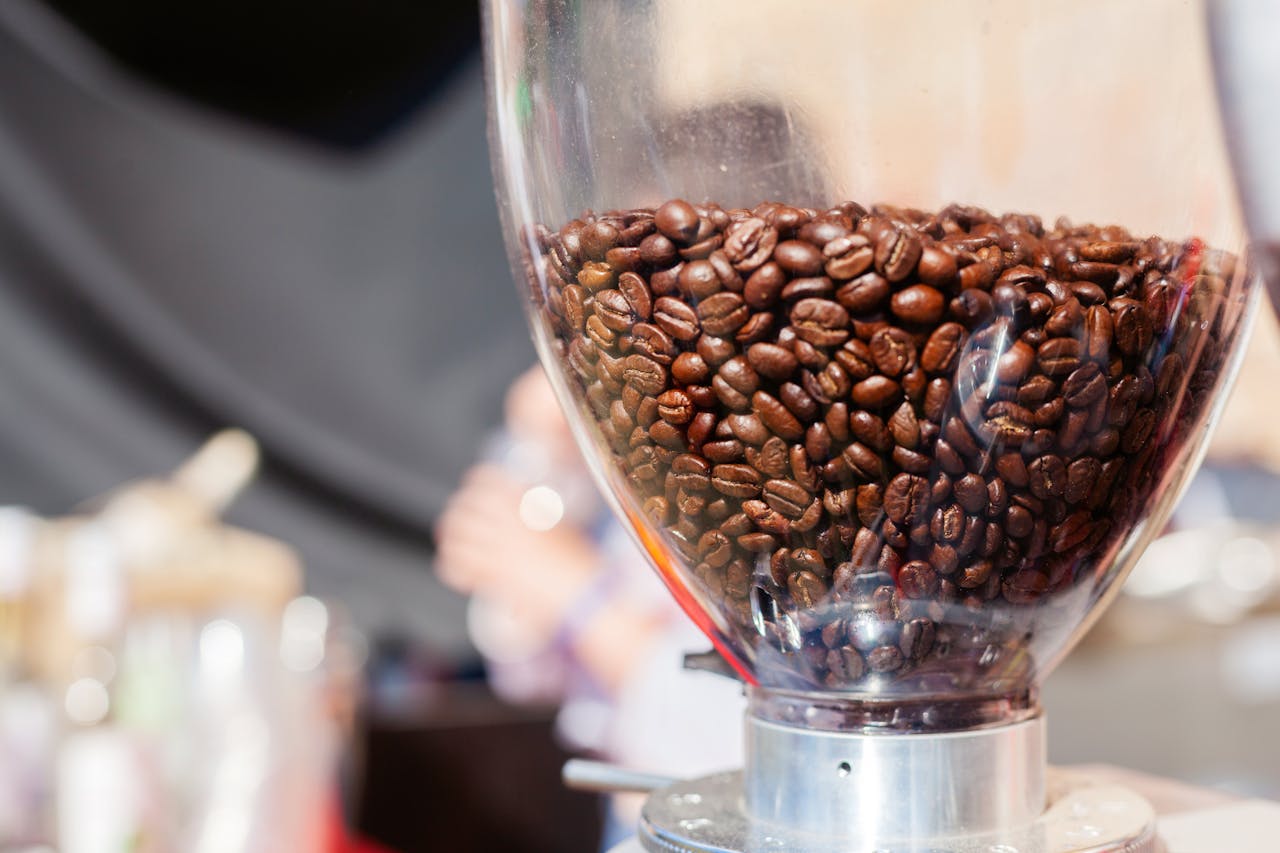
Understanding coffee bean origins is one of the most powerful ways to improve your appreciation of coffee. Origin determines much more than geography—it shapes flavor, aroma, body, acidity, and how a coffee responds to roasting. In 2026, with specialty coffee and home roasting more popular than ever, knowing where coffee comes from is essential for choosing beans intentionally and roasting them successfully.
This guide explains coffee origins in practical terms, focusing on major producing regions, signature flavor profiles, and how origin translates from farm to cup.
What Are Coffee Bean Origins?
Coffee bean origin refers to the geographic location where coffee is grown, typically identified by country, region, or even specific farm. Origin influences coffee because climate, altitude, soil composition, rainfall, and processing methods all affect how coffee cherries develop.
When people talk about coffee bean origins, they are usually referring to:
- Country (e.g., Ethiopia, Brazil)
- Region (e.g., Yirgacheffe, Antioquia)
- Sometimes farm or cooperative level
The more specific the origin, the more distinct and traceable the flavor characteristics tend to be.
Top Coffee-Producing Regions of the World
Coffee is grown along the “Coffee Belt,” the band of land between the Tropics of Cancer and Capricorn. For simplicity, origins are often grouped into three major regions.
Africa
African coffees are widely known for complexity, brightness, and aromatic intensity.
General Characteristics
- High acidity
- Floral and fruity flavors
- Light to medium body
Key Countries
- Ethiopia
- Kenya
- Rwanda
- Burundi
African origins are especially popular among light-roast enthusiasts and pour-over drinkers.
South America
South America is the world’s largest coffee-producing region and offers some of the most balanced and approachable coffees.
General Characteristics
- Balanced acidity
- Chocolate, nut, and caramel notes
- Medium body
Key Countries
- Brazil
- Colombia
- Peru
- Ecuador
For many drinkers, South American origins form the backbone of everyday coffee.
Asia-Pacific
Asia-Pacific coffees are often bold, earthy, and full-bodied, with lower acidity.
General Characteristics
- Heavy body
- Low acidity
- Earthy, spicy, and herbal notes
Key Countries
- Indonesia
- Papua New Guinea
- India
These coffees are commonly used in espresso blends and darker roasts.
Ethiopian Coffees
Ethiopia is considered the birthplace of coffee and produces some of the most distinctive beans in the world.
Flavor Profile
- Floral (jasmine, bergamot)
- Citrus (lemon, orange)
- Berries (blueberry, strawberry)
- Tea-like body
Best Roast Levels
- Light to medium-light
Lighter roasts preserve Ethiopia’s delicate aromatics and bright acidity. Dark roasts tend to obscure what makes Ethiopian coffee special.
Ethiopian beans are often the first choice for people exploring nuanced coffee bean origins.
Brazilian Coffees
Brazil is the largest coffee producer globally and known for consistency and accessibility.
Flavor Profile
- Chocolate
- Nuts (almond, peanut)
- Cocoa
- Low acidity
Best Roast Levels
- Medium to dark
Brazilian coffees are forgiving to roast and brew, making them ideal for beginners, espresso blends, and daily drinking.
Colombian Coffees
Colombia is famous for producing well-balanced coffees with broad appeal.
Flavor Profile
- Caramel sweetness
- Red fruit or citrus
- Balanced acidity
- Medium body
Best Roast Levels
- Medium
Colombian coffees perform well across multiple brewing methods and are a reliable reference point when learning how coffee bean origins influence flavor.
Indonesian Coffees
Indonesia produces some of the most distinctive and polarizing coffees in the world.
Flavor Profile
- Earthy
- Herbal
- Spicy
- Heavy body
Best Roast Levels
- Medium-dark to dark
Processing methods such as wet-hulling contribute to Indonesia’s unique flavor profile. These coffees are popular with drinkers who enjoy bold, savory cups.
Central American Coffees
Central America produces coffees that sit between African brightness and South American balance.
Flavor Profile
- Chocolate and cocoa
- Mild fruit
- Clean sweetness
- Balanced acidity
Best Roast Levels
- Medium
Countries like Guatemala, Honduras, and Costa Rica are known for clarity and structure, making them excellent learning coffees.
How Origin Affects Flavor
Origin influences flavor in several key ways:
Altitude
- Higher altitude → higher acidity and complexity
- Lower altitude → more body and sweetness
Climate
- Stable climates produce consistent flavor
- Variable climates can create more dynamic profiles
Soil
- Volcanic soil often enhances sweetness and mineral notes
Processing Method
- Washed: cleaner, brighter
- Natural: fruitier, heavier body
- Honey: balanced sweetness and acidity
Understanding these factors helps connect coffee bean origins to what you taste in the cup.
Where to Buy Origin-Specific Coffee Beans
For home roasters and specialty coffee drinkers, buying from knowledgeable retailers makes a significant difference.
Recommended specialty retailers include:
- Sweet Maria’s – Excellent origin transparency, tasting notes, and roast recommendations
- Burman Coffee – Strong value, wide origin selection, and beginner-friendly descriptions
Both retailers specialize in origin-specific green coffee beans and provide educational support, making them ideal affiliate partners.
Tasting Notes Guide by Origin
| Origin | Acidity | Body | Common Notes |
| Ethiopia | High | Light | Floral, citrus, berries |
| Brazil | Low | Medium | Chocolate, nuts |
| Colombia | Medium | Medium | Caramel, fruit |
| Indonesia | Low | Heavy | Earthy, spice |
| Central America | Medium | Medium | Cocoa, mild fruit |
Use this guide to predict how different coffee bean origins will taste before you brew or roast.
How to Choose the Right Origin for You
Ask yourself:
- Do I prefer bright or smooth coffee?
- Do I brew espresso or filter coffee?
- Do I enjoy fruit-forward or chocolatey flavors?
For example:
- Bright, complex → Ethiopia
- Balanced, versatile → Colombia
- Smooth, low-acid → Brazil
- Bold, earthy → Indonesia
Exploring origins systematically is one of the fastest ways to refine your palate.
Frequently Asked Questions
Are single-origin coffees better than blends?
Not necessarily. Single-origin coffees highlight specific flavors, while blends prioritize balance and consistency.
Do lighter roasts always taste more acidic?
Generally yes, but origin plays a major role. A light-roast Brazil will still be relatively low-acid.
Can beginners taste origin differences?
Yes. Differences become clearer when coffee is freshly roasted and brewed properly.
Are origin flavors consistent year to year?
They are similar but not identical. Harvest conditions change annually.
Where should beginners buy origin-specific beans?
Specialty retailers like Sweet Maria’s and Burman Coffee provide the best balance of quality and guidance.
Conclusion
Understanding coffee bean origins transforms coffee from a generic beverage into a story of place, climate, and craft. From the floral intensity of Ethiopian coffees to the chocolatey comfort of Brazilian beans, origin shapes every aspect of flavor.
In 2026, access to origin-specific coffee has never been better. By learning how geography influences taste and sourcing beans from trusted specialty retailers, coffee drinkers and home roasters alike can make informed choices and enjoy deeper, more intentional cups.
Exploring coffee origins is not about finding the “best” coffee—it is about discovering what you enjoy most, one origin at a time.