
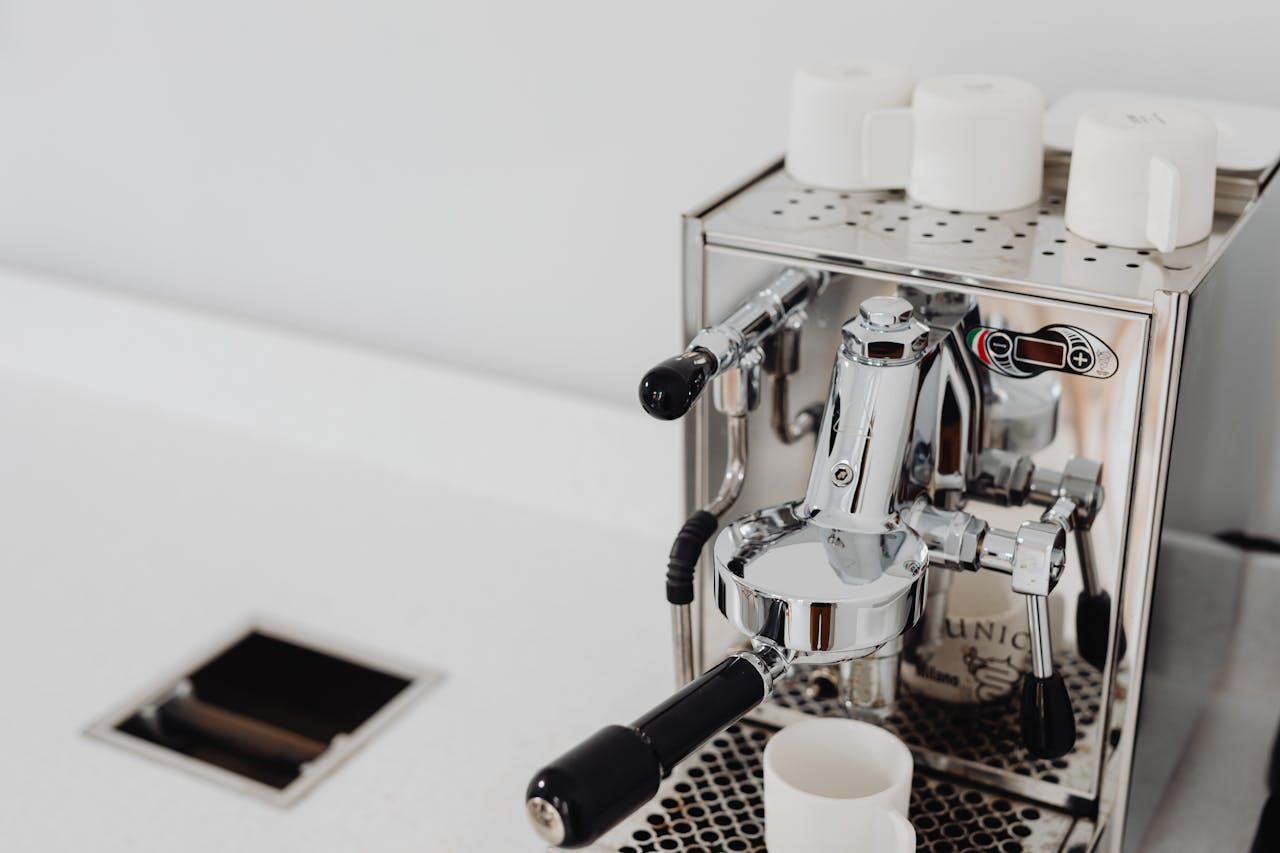
A home coffee roaster is an investment—financially and in the quality of coffee you drink every day. Like any heat-based appliance, a roaster performs best when it is kept clean, monitored, and serviced regularly. In 2026, as more people roast at home year-round, coffee roaster maintenance is no longer optional; it is essential for safety, consistency, and long equipment life.
This guide provides a clear, practical maintenance framework you can follow regardless of whether you use an entry-level air roaster or a high-end drum machine.
Why Maintenance Matters
Proper maintenance directly affects three critical areas:
- Roast quality – Built-up oils and chaff cause smoky, bitter flavors
- Safety – Chaff is flammable; neglected roasters are a fire risk
- Longevity – Clean components last years longer
Most roasting issues blamed on “bad beans” or “inconsistent machines” are actually maintenance problems. Consistent coffee roaster maintenance prevents these issues before they appear.
Daily Maintenance Tasks (After Every Roast)
Daily tasks take only a few minutes and prevent long-term buildup.
1. Empty the Chaff Collector
- Remove and empty after each roast
- Inspect for excessive buildup or scorching
2. Wipe Accessible Surfaces
- Use a dry or slightly damp cloth
- Focus on bean chute, door glass, and exhaust area
3. Inspect the Cooling Tray
- Remove loose chaff
- Ensure cooling fan airflow is unobstructed
These steps alone eliminate the majority of common roasting problems.
Weekly Maintenance Tasks
Weekly maintenance focuses on airflow and cleanliness.
1. Clean Vent Screens and Filters
- Remove chaff screens or mesh filters
- Use a soft brush or compressed air
2. Wipe Internal Surfaces (When Cool)
- Gently remove oil residue
- Avoid harsh chemicals
3. Check Electrical Connections
- Ensure cords are undamaged
- Confirm plugs fit snugly
Regular weekly coffee roaster maintenance helps maintain stable temperatures and airflow.
Monthly Maintenance Tasks
Monthly tasks address deeper buildup and wear.
1. Deep Clean the Roasting Chamber
- Remove removable panels if allowed by manufacturer
- Clean drum surface or air pathways
2. Inspect Heating Elements
- Look for discoloration or residue
- Ensure no chaff is trapped near elements
3. Lubricate Moving Parts (If Applicable)
- Drum bearings or hinges (manufacturer-approved lubricant only)
Skipping monthly cleaning shortens roaster lifespan significantly.
Cleaning the Roasting Chamber
The roasting chamber accumulates oil residue over time.
Best Practices
- Clean only when fully cool
- Use a lint-free cloth or soft brush
- Avoid water unless explicitly allowed
Oil buildup is one of the most common causes of smoky flavors and uneven roasting. Thorough coffee roaster maintenance keeps chamber surfaces neutral and clean.
Chaff Management and Cleaning
Chaff is unavoidable—and dangerous if ignored.
Why Chaff Matters
- Highly flammable
- Restricts airflow
- Causes temperature instability
Chaff Cleaning Tips
- Empty collector every roast
- Vacuum surrounding vents weekly
- Never allow chaff to accumulate near heating elements
Good chaff management is a core safety requirement.
Cooling Tray Maintenance
The cooling system is often overlooked but critical.
What to Check
- Cooling fan operation
- Airflow strength
- Chaff buildup beneath tray
Cleaning Steps
- Remove tray and vacuum underneath
- Wipe metal surfaces
- Confirm fan spins freely
A failing cooling system leads to overdeveloped, baked coffee.
Thermometer and Sensor Care
Accurate temperature readings are essential.
Maintenance Tips
- Keep probes clean and residue-free
- Avoid bending or striking probes
- Periodically verify readings against a reference thermometer
Faulty sensors are a hidden cause of inconsistent roasts. Proper coffee roaster maintenance includes caring for measurement tools.
Troubleshooting Common Maintenance Issues
Excess Smoke During Roast
Likely cause: Oil or chaff buildup
Solution: Deep clean chamber and vents
Inconsistent Roast Times
Likely cause: Restricted airflow
Solution: Clean screens, fans, and exhaust
Weak First Crack
Likely cause: Dirty heating elements or sensors
Solution: Inspect and clean carefully
Roaster Shuts Down Mid-Roast
Likely cause: Overheating from blocked airflow
Solution: Full chaff and vent cleaning
Most troubleshooting leads back to neglected maintenance.
When to Replace Parts
Some components are consumable and should be replaced proactively.
Common Replaceable Parts
- Chaff screens
- Mesh filters
- Rubber door seals
- Thermocouples or probes
- Cooling fans
Where to Buy Replacement Parts
Trusted specialty retailers include:
- Sweet Maria’s – Manufacturer-approved parts, strong documentation
- Burman Coffee – Affordable replacement components and accessories
Both retailers typically offer 10–15% affiliate commissions and support long-term home roasting.
Replacing parts on schedule is far cheaper than replacing a roaster.
Extending Your Roaster’s Lifespan
A well-maintained roaster can last a decade or more.
Best Practices
- Roast within recommended batch sizes
- Avoid back-to-back roasts without cooling periods
- Clean more often if roasting dark profiles
- Store roaster in a dry, dust-free environment
Consistent coffee roaster maintenance adds years of reliable service.
Maintenance by Roaster Type
Air Roasters
- Focus on fan and vent cleanliness
- Chaff control is critical
Drum Roasters
- Clean drum and exhaust regularly
- Monitor bearings and drive components
Hybrid Roasters
- Maintain both airflow and drum systems
- Inspect sensors frequently
Understanding your roaster’s design helps prioritize maintenance tasks.
Maintenance Schedule Summary
| Task | Frequency |
| Empty chaff collector | Every roast |
| Wipe surfaces | Every roast |
| Clean vents/screens | Weekly |
| Deep chamber cleaning | Monthly |
| Sensor inspection | Monthly |
| Replace wear parts | As needed |
Printing or saving this schedule prevents oversight.
Frequently Asked Questions
How often should I clean my coffee roaster?
Light cleaning after every roast, deep cleaning monthly.
Can I use household cleaners?
No. Use dry cloths or manufacturer-approved cleaners only.
Is maintenance different for dark roasts?
Yes. Dark roasts produce more oils and require more frequent cleaning.
What happens if I skip maintenance?
Flavor degradation, safety risks, and premature equipment failure.
Where can I find replacement parts?
Specialty retailers like Sweet Maria’s and Burman Coffee.
Conclusion
Good roasting does not end when the beans cool. Coffee roaster maintenance is the quiet discipline that protects flavor, safety, and investment over time. A few minutes after each roast, combined with regular deeper cleaning, prevents nearly every major roasting problem home users encounter.
In 2026, with home roasting more popular than ever, maintaining your equipment is not just responsible—it is essential. Treat your roaster like precision equipment, not a disposable appliance, and it will reward you with consistent performance, better coffee, and years of reliable service.