Learning espresso brewing at home can feel intimidating at first. Espresso is concentrated, technical, and unforgiving—but it is also one of the most rewarding ways to experience coffee. With the right equipment, technique, and expectations, beginners in 2026 can produce café-quality espresso at home without professional training.
This guide breaks espresso down into practical steps, explains why each variable matters, and helps you avoid the most common beginner mistakes.
What Is Espresso?
Espresso is a concentrated coffee brewed by forcing hot water through finely ground coffee under pressure. Unlike drip or pour over, espresso is defined by:
- Pressure (around 9 bars)
- Fine grind size
- Short extraction time
- Thick body and crema
A standard espresso shot is typically 25–40 ml brewed in 25–30 seconds, delivering intense flavor and texture.
Understanding these fundamentals is essential to mastering espresso brewing at home.
Espresso Equipment Needed
Espresso requires more specialized equipment than most brewing methods. Quality matters, especially for the grinder.
Essential Equipment
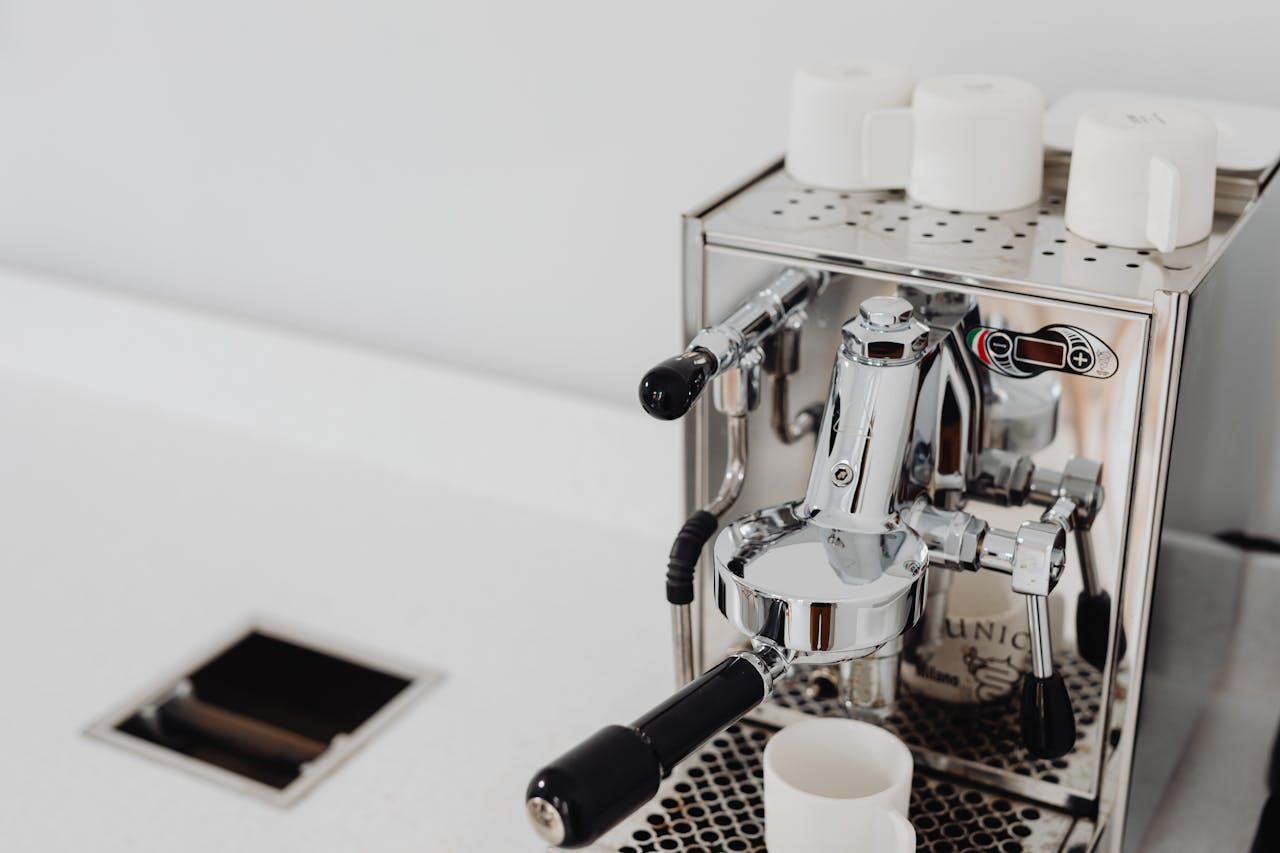
- Espresso Machine
- Must generate stable pressure (≈9 bars) and temperature
- Can be manual, semi-automatic, or automatic
- Espresso Grinder (Burr Grinder)
- Capable of very fine, consistent grinding
- More important than the machine itself
- Portafilter and Basket
- Usually included with the machine
- Use fresh, clean baskets
- Tamper
- Fits your portafilter basket snugly
- Flat base recommended
- Digital Scale
- Measures dose and yield accurately
- Fresh Coffee Beans
Where to Buy Espresso Equipment
Specialty retailers offer better guidance and long-term support than general marketplaces. A popular option is Whole Latte Love, which carries beginner-friendly espresso machines, grinders, and accessories and typically offers strong affiliate commissions.
Grind Size for Espresso
Grind size is the single most important variable in espresso.
- Espresso grind: Very fine (powdery, but not clumpy)
- Finer grind → slower extraction
- Coarser grind → faster extraction
If espresso flows too fast, grind finer.
If it drips or stalls, grind coarser.
In espresso brewing at home, grind adjustment is normal and constant.
Tamping Technique
Tamping compresses coffee evenly to resist water pressure.
Proper Tamping Steps
- Place portafilter on a flat surface
- Hold tamper level
- Apply firm, even pressure (≈30 lbs is a common guideline)
- Do not polish excessively
Key principle: Consistency matters more than strength. Uneven tamping leads to channeling.
Water Temperature and Pressure
Water Temperature
- Ideal range: 195–205°F (90–96°C)
- Too cool → sour espresso
- Too hot → bitter espresso
Most modern machines regulate temperature automatically.
Pressure
- Standard espresso pressure: ≈9 bars
- Higher pressure does not mean better espresso
- Consistency is more important than raw pressure
Stable temperature and pressure are foundational to espresso brewing at home.
Espresso Extraction Time
- Target time: 25–30 seconds
- Typical dose: 18–20g ground coffee
- Typical yield: 36–40g liquid espresso (1:2 ratio)
This is a starting point—not a rule. Taste ultimately decides.
Step-by-Step: Pulling an Espresso Shot
Step 1: Preheat Everything
- Turn on machine early
- Warm portafilter and cup
Step 2: Dose Coffee
- Measure 18–20g into the basket
Step 3: Grind Fresh
- Grind immediately before brewing
Step 4: Distribute Grounds
- Even out coffee bed to prevent channeling
Step 5: Tamp
- Level, firm, and consistent
Step 6: Lock Portafilter
- Insert firmly into group head
Step 7: Start Extraction
- Begin shot and timer simultaneously
Step 8: Stop at Target Yield
- Stop shot at ~36–40g or when flavor turns bitter
Mastering this workflow is the heart of espresso brewing at home.
Common Espresso Mistakes
Using Stale Coffee
Espresso magnifies flaws. Use beans roasted within 7–21 days.
Ignoring the Grinder
A good machine cannot compensate for a poor grinder.
Inconsistent Dosing
Always weigh your dose and yield.
Chasing Crema
Crema is not a quality guarantee—taste matters more.
Espresso Troubleshooting Guide
Channeling (Uneven Flow)
Symptoms: Spraying, fast blonding
Fix: Improve distribution and tamping consistency
Over-Extraction
Symptoms: Bitter, harsh taste
Fix: Grind coarser, reduce brew time, lower temperature
Under-Extraction
Symptoms: Sour, thin espresso
Fix: Grind finer, increase brew time
Shot Pulls Too Fast
Cause: Grind too coarse or under-dosed
Fix: Finer grind or higher dose
Shot Pulls Too Slow
Cause: Grind too fine or over-dosed
Fix: Coarser grind or lower dose
Troubleshooting is part of learning espresso brewing at home—expect it.
Best Roasts for Espresso
Espresso works best with:
- Medium to medium-dark roasts
- Balanced acidity and sweetness
- Good solubility under pressure
Recommended Flavor Profiles
- Chocolate, caramel, nutty notes
- Low to moderate acidity
Very light roasts can work but are harder for beginners and require advanced technique.
Espresso vs Other Brewing Methods
Espresso vs Pour Over
- Espresso: concentrated, intense
- Pour over: clean, nuanced
Espresso vs French Press
- Espresso: pressure-driven extraction
- French press: immersion, heavier body
Espresso vs Drip Coffee
- Espresso: short, powerful
- Drip: longer, milder
Each method serves different preferences, but espresso brewing at home offers unmatched intensity and versatility.
How Long Does It Take to Learn Espresso?
- Basic drinkable shots: 1–2 weeks
- Consistency: 1–3 months
- Confidence and control: ongoing
Espresso rewards patience and repetition.
Frequently Asked Questions
Is espresso brewing at home expensive?
Initial costs are higher, but long-term savings and quality justify the investment for many.
Do I need a $2,000 machine?
No. A good grinder matters more than a premium machine.
Why does my espresso taste sour?
Usually under-extraction—adjust grind finer or extend time.
Can beginners really make good espresso?
Yes, with fresh beans, a capable grinder, and consistent technique.
Where should beginners buy equipment?
Specialty retailers like Whole Latte Love provide better guidance and support than mass marketplaces.
Conclusion
Espresso is demanding—but that is what makes it rewarding. Espresso brewing at home teaches precision, patience, and attention to detail in a way few other brewing methods can.
By focusing on grind quality, consistent technique, and controlled variables, beginners in 2026 can confidently pull balanced, flavorful espresso shots at home. Expect mistakes, embrace troubleshooting, and adjust one variable at a time. With practice, espresso stops feeling mysterious and starts becoming a daily craft—one that delivers exceptional coffee in every small cup.